Budget Airlines Seek $2.5 Billion After Spirit Collapse Shakes Fares
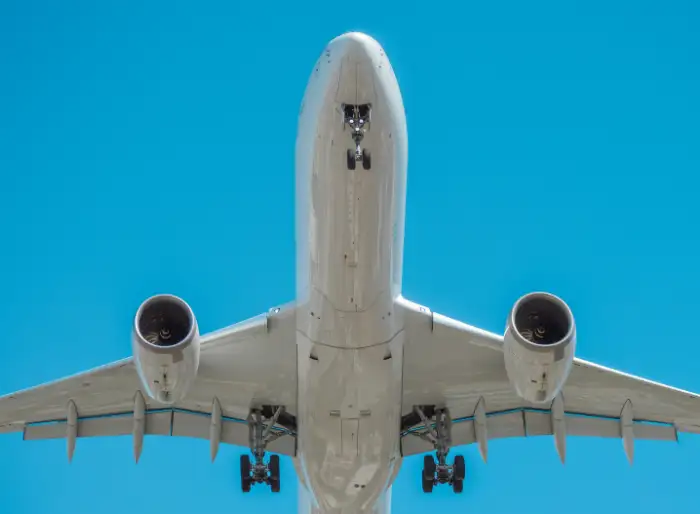
Spirit Airlines' shutdown is creating a new dispute over whether other low-cost carriers should receive federal support.
Several budget airlines are now asking Washington for a $2.5 billion relief fund, saying the sharp rise in jet fuel prices has made it harder to keep fares low.
US Transportation Secretary Sean Duffy rejected the idea of an immediate bailout on May 2. He said low-cost airlines still have access to private financing and should raise money from investors or lenders before asking taxpayers for help. His position suggests that Washington does not yet see Spirit’s collapse as a full industry crisis.
What budget airlines want from the government
The carriers are seeking a $2.5 billion liquidity fund to help cover higher fuel costs. They argue that the increase in jet fuel prices came from an external shock, not from normal business mistakes.
The airlines also want Congress to temporarily suspend the 7.5 percent federal tax on domestic tickets and the $5.30 tax on each domestic flight segment. They say this would help reduce fare pressure and cover part of the fuel burden. But tax changes would require political approval, so relief is not automatic.
Spirit’s shutdown removes a key price fighter from US travel
Spirit was one of the biggest ultra-low-cost airlines in the US. Its low fares often forced larger airlines to compete more aggressively on price. With Spirit gone, some routes may have fewer cheap seats, especially in leisure markets where travelers are highly price-sensitive.
Several airlines, including Frontier, JetBlue, Southwest, Delta, and American, offered discounted fares or support options for stranded Spirit passengers after the shutdown.
The bailout request is controversial
The request is controversial because public money could help weaker airlines compete against carriers that do not receive the same support. Major airlines oppose special aid for budget rivals, partly because those rivals put pressure on fares and margins.
Failed rescue shows months of strain
Spirit said it had nearly finished refunding customers after the shutdown. The airline had more than 4,000 flights scheduled through May 15 before it stopped flying, which shows how large the disruption was for passengers, employees, and airports.
Spirit’s shutdown was not a sudden collapse but the final stage of a months-long rescue effort. The airline first tried to stabilize operations through bankruptcy financing, aircraft sales, gate transfers, and staff recalls. But by April, higher fuel prices had made the recovery plan much harder, liquidation risk increased, and a proposed $500 million government-backed rescue failed to win enough creditor support.
Photo by Alito McBean on Unsplash
Hot News
Marriott Faces Owner Pressure as Bonvoy Card Revenue Grows

Besty AI Raises $3.75M as Rental Managers Chase Automation

Riyadh Air Gets US Approval as Its Global Airline Plan Gets Real

EU Keeps Delay Compensation as Airlines Face Another Cost Reality
